
SDLC

How Software Gets Made: The Journey from Idea to App
Ever wondered how that sleek app on your phone, or the website you just scrolled through, actually comes to life? Spoiler: it’s not magic — it’s a carefully planned journey called a software project, guided by something developers call the Software Development Life Cycle (SDLC).
The Birth of an Idea
Every software starts with an idea. Maybe it’s a game you want to play, a tool you wish existed, or a problem you need to solve. That idea, alone, isn’t enough. You need a plan, a blueprint, and a team (even if it’s just you) willing to turn it into reality.
This is what we call a software project — the structured path from “Hmm, that’s cool” to a fully functional, user-ready product.
A software project isn’t just coding. It’s about asking questions like:
* What problem is this solving?
* Who is going to use it?
* What tools and technologies will bring it to life?
* How do we know it actually works?
Answering these questions is what separates a messy, half-baked app from something people actually enjoy using.
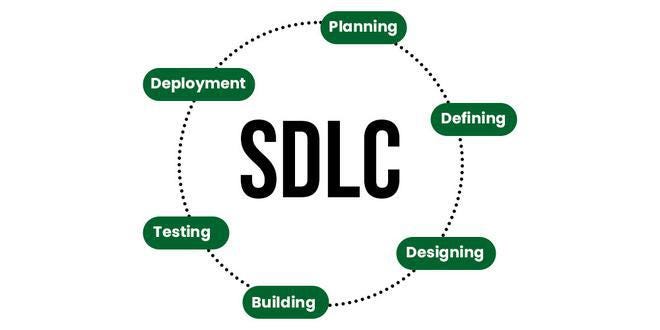
The Roadmap: SDLC
Think of the **Software Development Life Cycle** as the GPS for a software project. Skip a step, and you might end up lost in a swamp of bugs, crashes, and frustrated users.
Here’s the journey in six simple steps:
1. **Requirement Analysis** – First, figure out what the software actually needs to do. Listen to users, study the problem, and document everything clearly.
2. **System Design** – Next, sketch out how the software will work. This includes the architecture, interfaces, and how all the pieces fit together.
3. **Implementation (Development)** – Now the fun part: writing code. This is where your idea starts moving, clicking, and coming alive.
4. **Testing** – No software is perfect on the first try. Test everything. Break it on purpose. Fix it. Optimize it.
5. **Deployment** – Time to let users in. Release your app, website, or tool, and watch your idea touch real lives.
6. **Maintenance** – Software isn’t static. Bugs pop up, features need tweaking, and improvements keep it alive. This step never truly ends.
Why It Matters
Following a structured SDLC is what keeps software from spiraling into chaos. It:
* Cuts down development risks and costs
* Improves quality and reliability
* Keeps everyone on the same page — developers, stakeholders, and users
TL;DR
Building software is like telling a story — your idea is the plot, SDLC is the script, and your users are the audience. Skip the steps, and the story falls apart. Follow them, and you can take something from your imagination all the way to someone’s screen — smooth, polished, and functional.
Software development isn’t magic. It’s a journey. And every great app you love? It started just like this: a spark of an idea, and a roadmap that made it real.